

What you need to know about the 2026 F1 cars
- Teagan Crump

- Dec 17, 2025
- 2 min read
By Teagan Crump
As the 2025 Formula One season has ended, all focus switches to 2026 and what the experts are calling “the biggest overhaul of regulations in the sport's history.” But what do you need to know about the changes being made? This guide will take you through all of the critical information ahead of 2026!
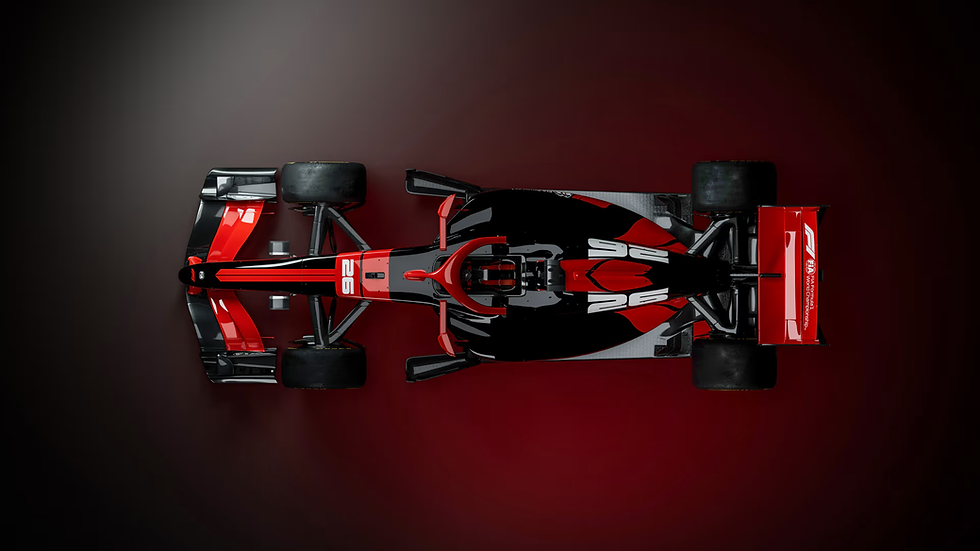
Firstly, the cars will be shorter and narrower- the width from one side of the front wing to the other has been reduced by 100mm. Additionally, the wheelbase is going to be 200mm shorter than in 2025.
Pirelli will still provide 18-inch tyres, but they will be narrower, and the arches that previously covered them will be removed.
2025's Abu Dhabi Grand Prix was the last race for the Drag Reduction System (DRS), with it being replaced by ‘Active Aero and ‘Overtake Mode’’. One of the key differences is that both the front and rear wing will move during the lap in order to balance drag and downforce. Overtake Mode is similar to IndyCar’s Push to Pass, giving the car extra power and a recharge allowance.
The Energy Recovery System (ERS) becomes ‘Boost’, which will recharge the battery with double the amount of energy. It will be activated when the driver wants, at any point during the lap.
Energy Harvesting has become ‘Recharge’ which are special controls that dictate how the car top-ups electrical energy.
The safety measures will be improved for the new era of cars- the roll hoop, survival cell and side impact structures have been strengthened. Additionally, the front impact structure design has been improved. The FIA have also added safety lights to mirrors.

The power unit of the car will remain as the 1.6L Turbo Hybrid V6, but the electric motor power triples. Additionally, the electric motor and combustion engine will contribute equal parts to the power of the car. The heat energy system, which was previously very complex, has been removed.
Downforce has been changed, with the ground-effect runnels being removed and a focus shifting to flatter floors and extended diffusers. Downforce and a higher ride requirement will allow for a wider variety of set-ups, allowing for drivers to have more personalised driving styles. In theory, this will make Formula One more even and competitive.
Fossil fuels are being removed, and instead being substituted for ‘advanced sustainable fuel’, meaning that the cars will produce less emissions whilst they still have peak performance.

So, what do all these changes actually mean?
In short, the cars will be more challenging for the teams and drivers- new tech and stricter rules will mean that F1 will still be the pinnacle of motorsport, just with some added extras.
The drivers will have more of a control over turbulent air, so following cars through corners should be a lot easier.


Comments